2026 Animal Sponsorships
Sponsor Our Ducks, Chickens, and Bee Hives!
Your sponsorship helps provide feed, habitat, supplies, and educational resources that support our flock and beehives throughout the season.
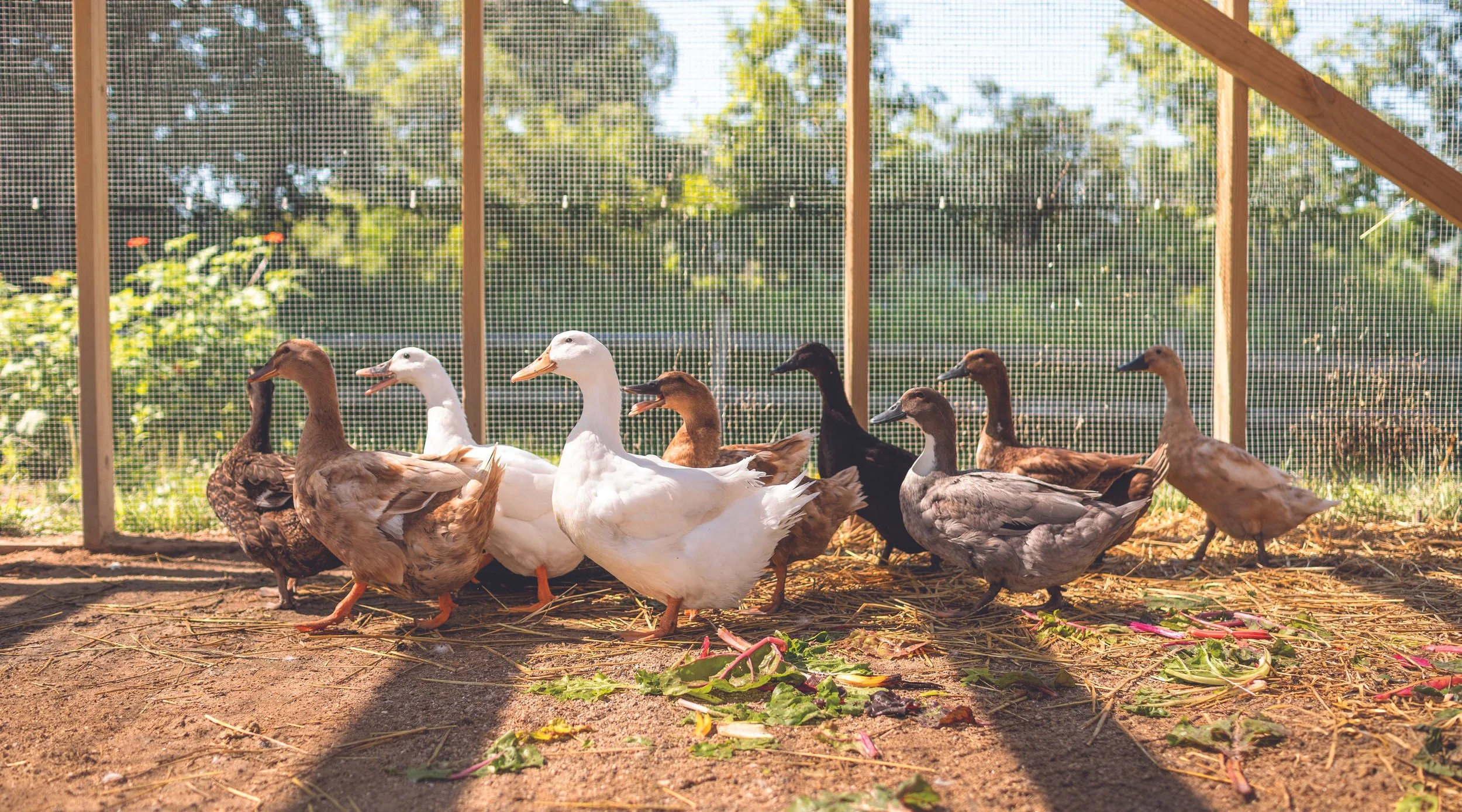
Duck & Chicken Sponsorships include naming rights for your bird for the season, a half-dozen or dozen fresh eggs, and a special visit experience to meet your feathered friend.
Beehive Sponsorships include naming rights for one of our Carniolan honey bee hives and a mason jar of Elawa honey.
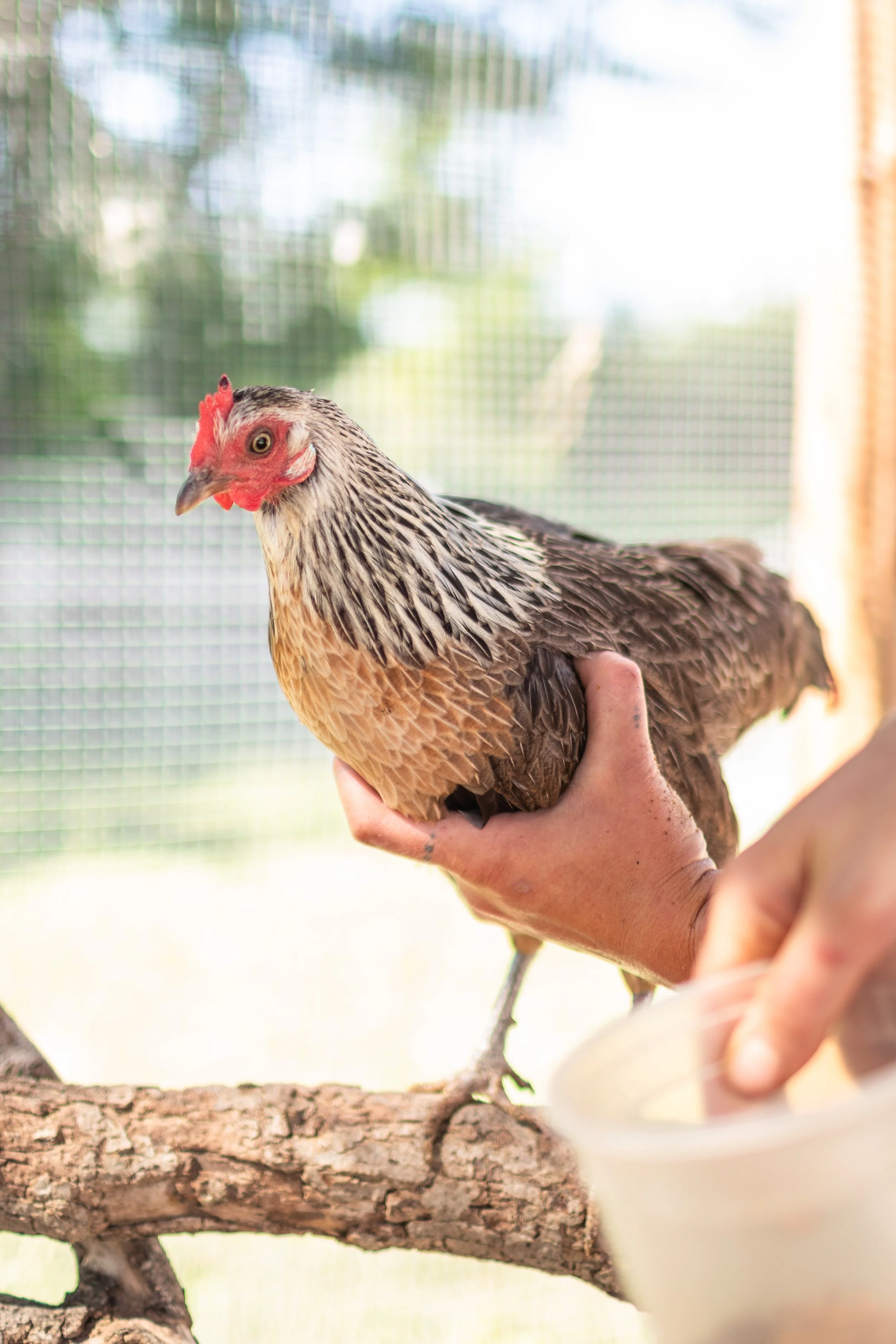
In your sponsorship you will receive naming rights, a dozen chicken eggs, and a visit experience with your chicken.
Don’t be fooled by the name, these birds are a bantam breed originally from the Dutch East Indies. Their small size made it easy for sailors to carry on journeys, leading to their introduction into Europe and England. Old Dutch paintings of farmyard scenes often included fowl of striking similarity to the appearance of present-day Dutch bantams. These chickens are gentle birds, and often display attachment to their owners. They are good layers, good setters, and good brooders
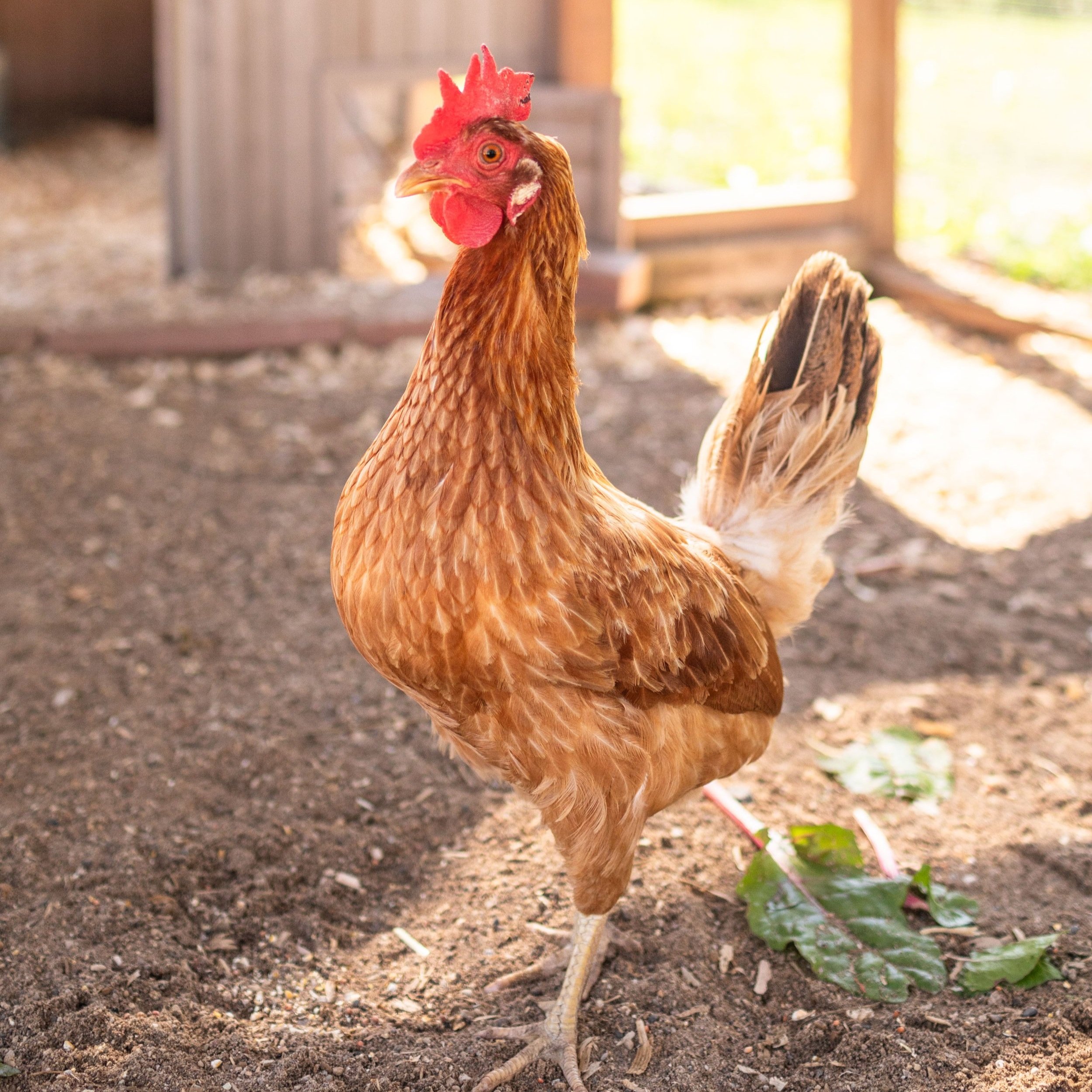
In your sponsorship you will receive naming rights, a dozen chicken eggs, and a visit experience with your chicken.
This breed is created by mating a White Rock hen with a New Hampshire rooster. This type of cross-breeding results in female and male chicks that are easy to tell apart because of color at the time of hatching. Golden Comet Chickens are a smaller breed, which makes them good for egg production only.
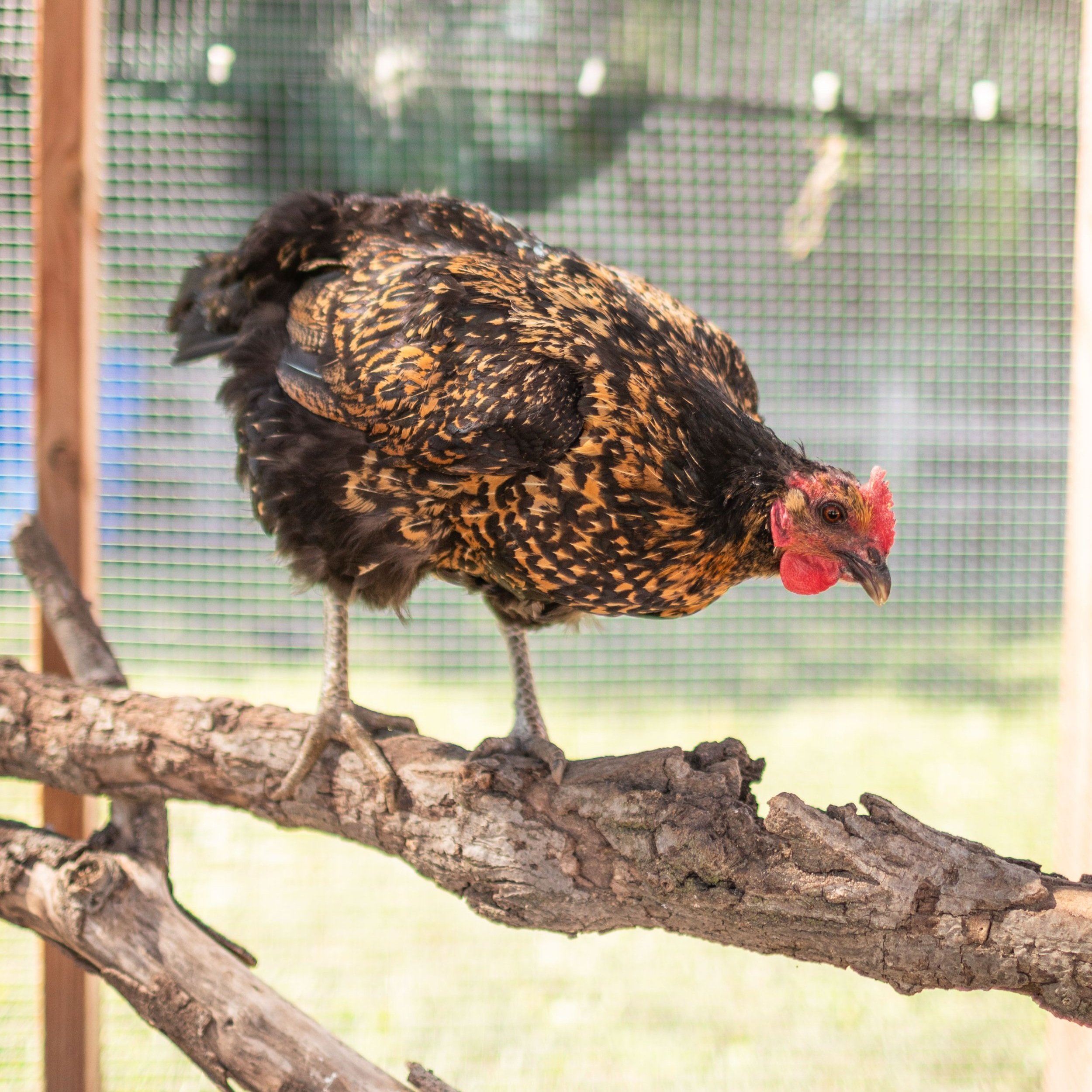
In your sponsorship you will receive naming rights, a dozen chicken eggs, and a visit experience with your chicken.
The Golden Laced Wyandotte is a dependable and productive layer with an attractive appearance. This breed is also well mannered and docile, making them an excellent choice for backyard flocks. They provide medium/large brown eggs and are cold/heat tolerant. They appear in a wide variety of color patterns, and are popular show birds. Wyandottes are a favorite amongst backyard flock owners for their dependable egg laying, easygoing nature, hardiness, and the great variety of beautiful feather patterns available.
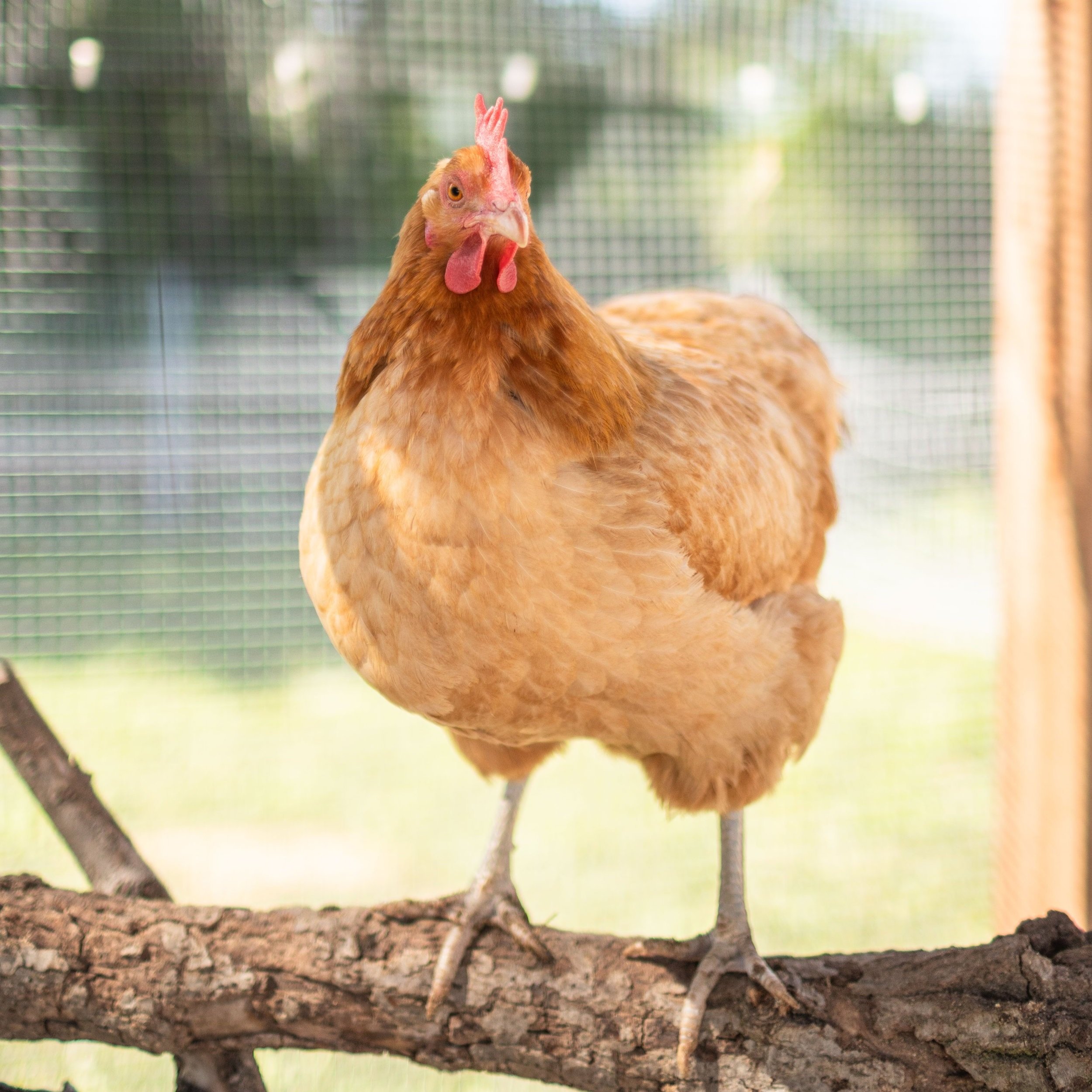
In your sponsorship you will receive naming rights, a dozen chicken eggs, and a visit experience with your chicken.
The name Buff Orpington combines two ideas. Buff refers to the chicken’s golden buff color, and Orpington in Kent, England, where the breed was developed. They are docile and have friendly personalities, making them good pets and suitable for families with young children. They will often raise chicks of any breed, sometimes the young of other poultry breeds, and produce between 200-280 eggs a year. Colors may range from very light to deep golden hues, and heavy feathering makes these chickens appear fluffy.
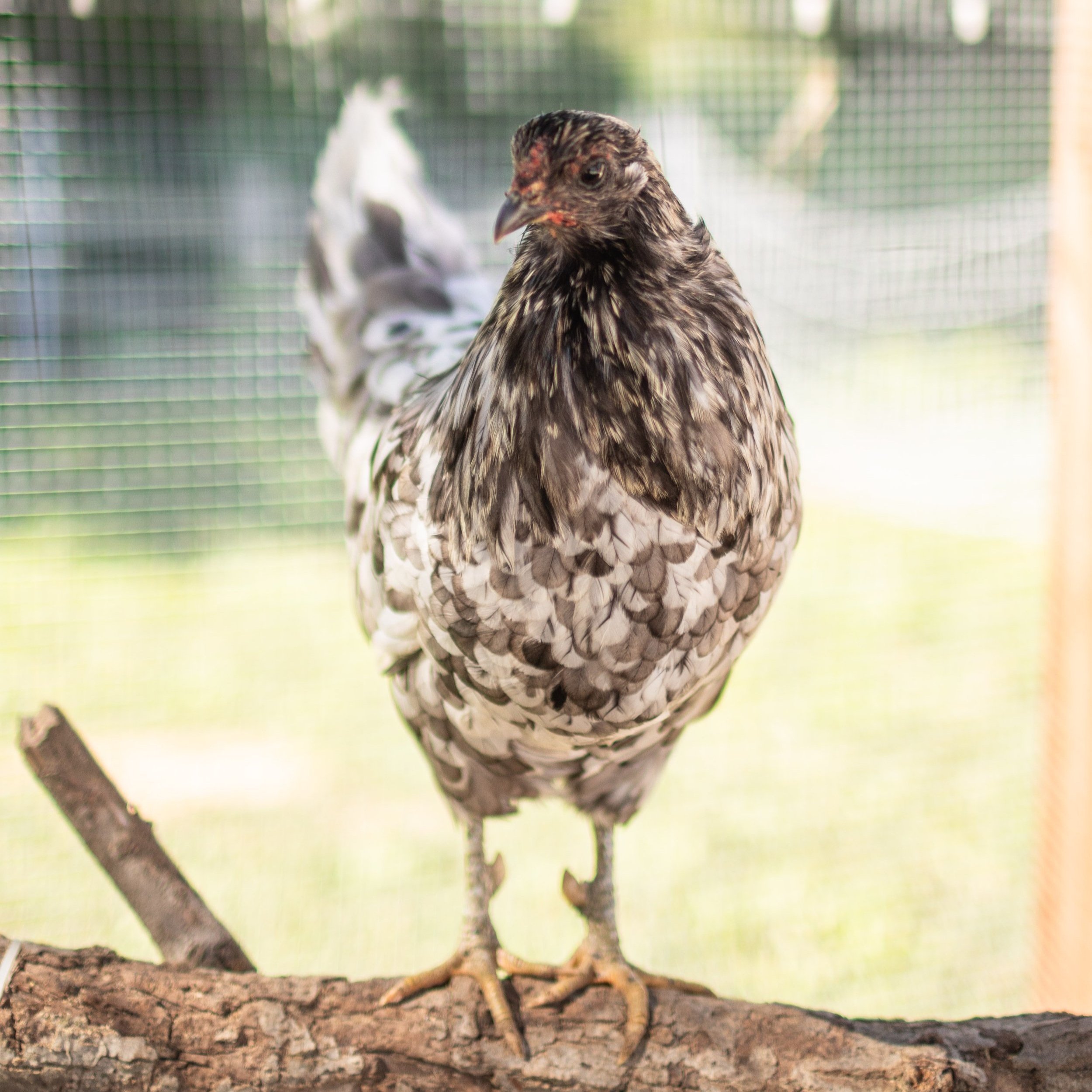
In your sponsorship you will receive naming rights, a dozen chicken eggs, and a visit experience with your chicken.
Originally from the Isles of Sumatra, Java, and Borneo in Indonesia, the Sumatra existed in the wild and were possibly the basis for many existing breeds. They have very small wattles, small (but vibrant) red pea combs, and black skin and bones. The breed comes in three colors: black, blue, and splash (speckled). These chickens are noted for their very pheasant-like behaviors and preference to explore around bushes and other areas that offer good cover.
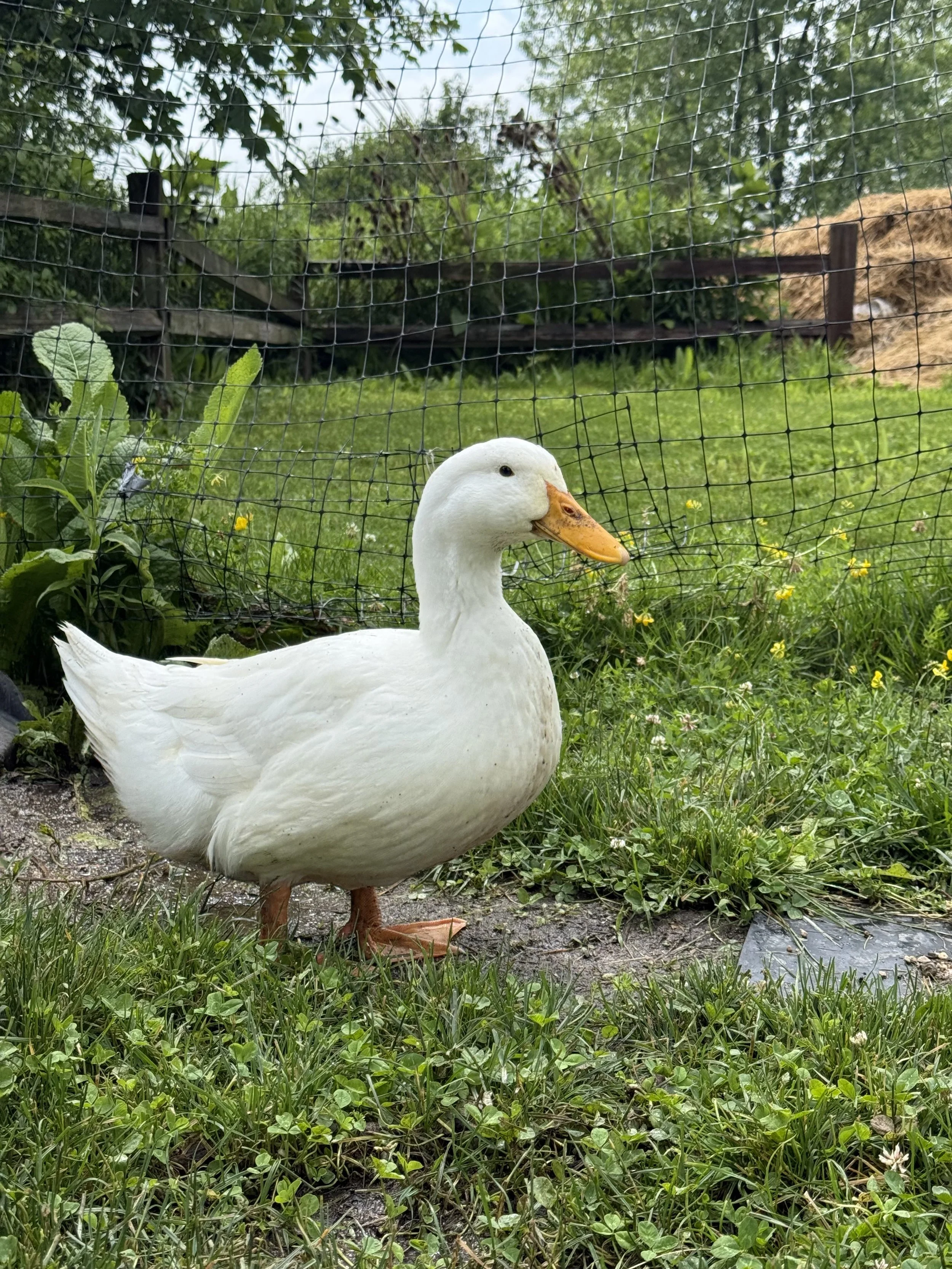
In your sponsorship you will receive naming rights, a half-dozen duck eggs, and a visit experience with your duck.
Pekin ducks were first introduced into the United States from China in 1873, and quickly became the most popular market duck in America. These ducks are a heavy breed, so you won’t see them fly often, but that just means you can enjoy their adorable waddle more often.
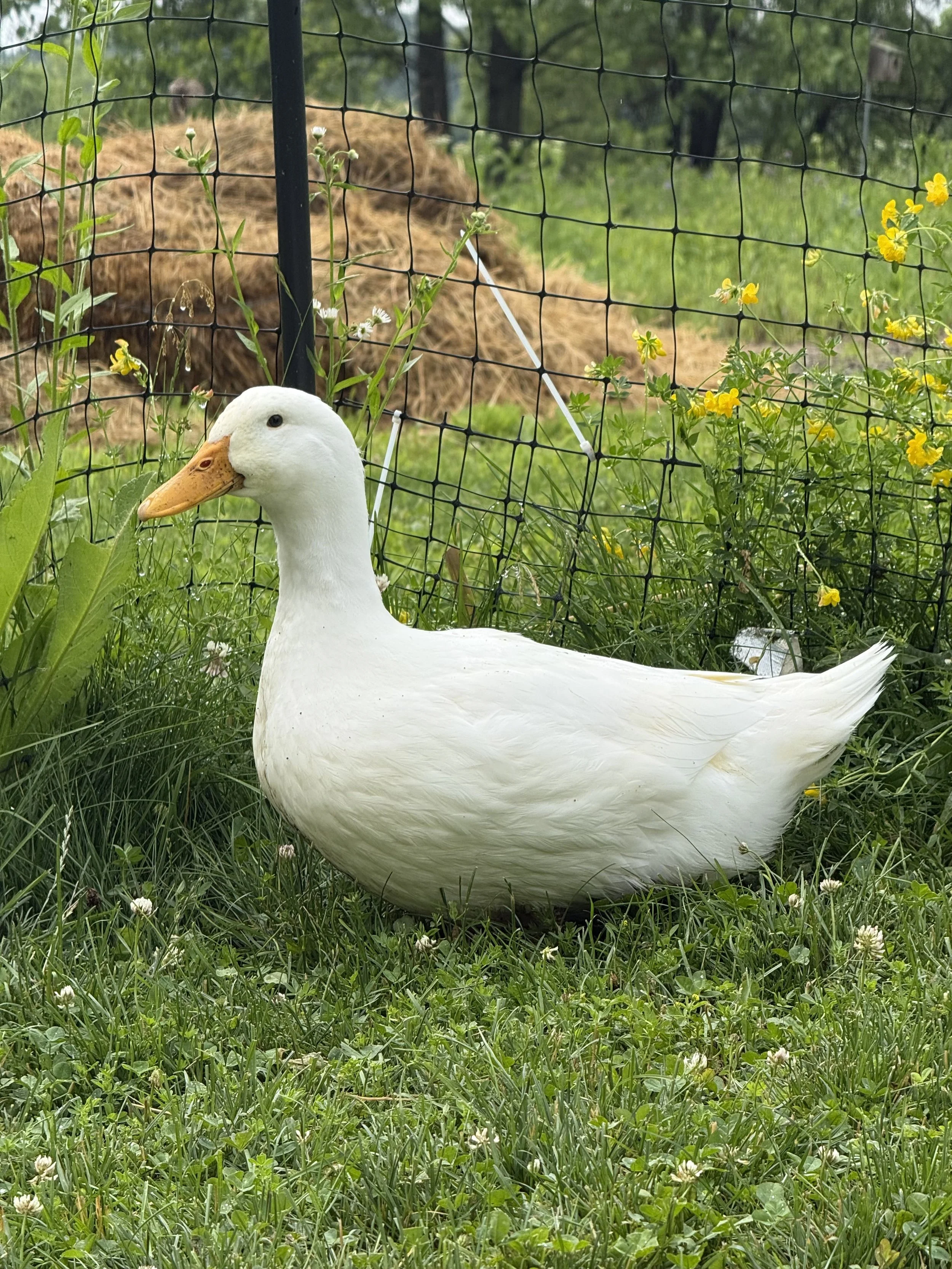
In your sponsorship you will receive naming rights, a half-dozen duck eggs, and a visit experience with your duck.
Pekin ducks were first introduced into the United States from China in 1873, and quickly became the most popular market duck in America. These ducks are a heavy breed, so you won’t see them fly often, but that just means you can enjoy their adorable waddle more often.
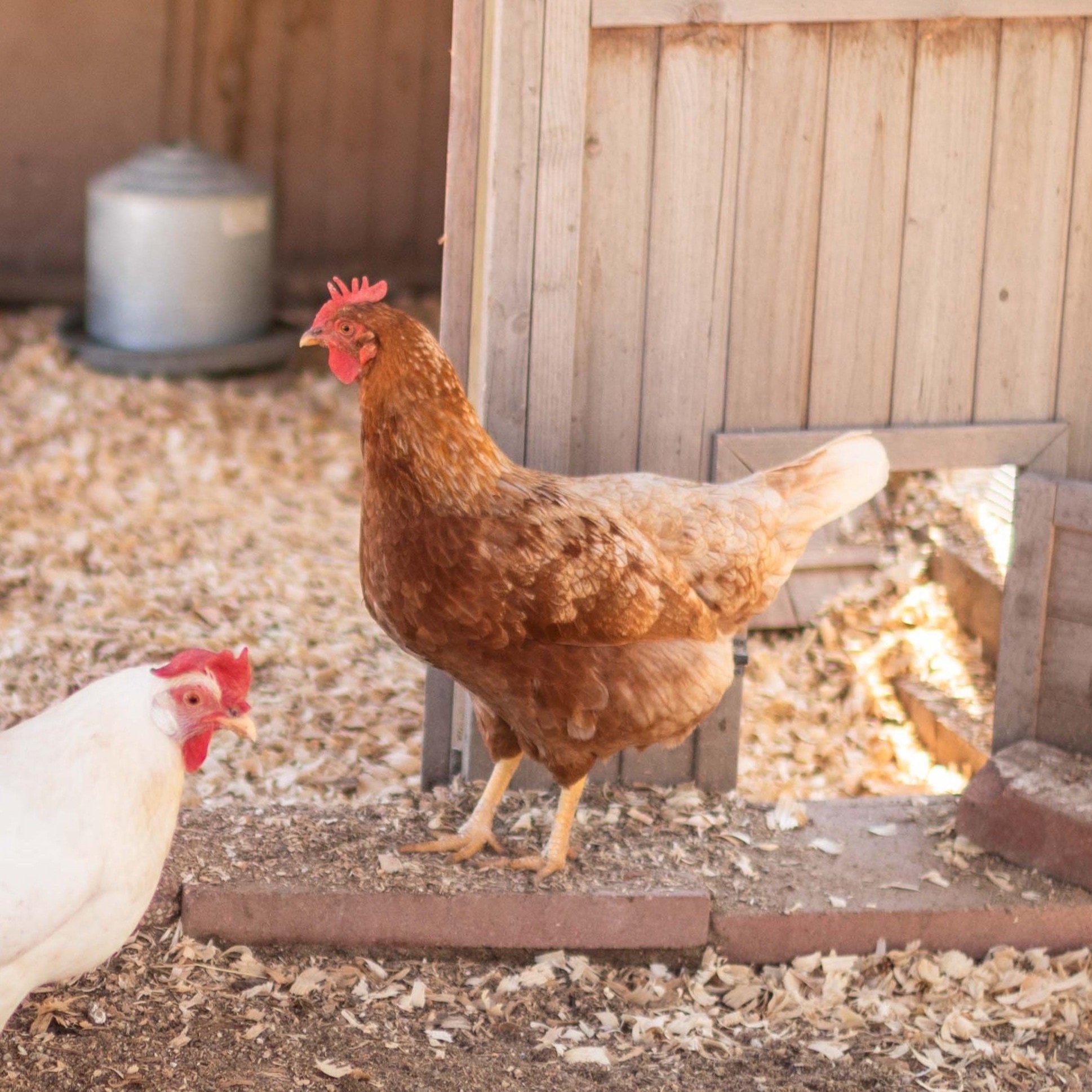
In your sponsorship you will receive naming rights, a dozen chicken eggs, and a visit experience with your chicken.
A beloved breed that takes the best qualities from its parents, a Rhode Island Red rooster, and a Silver Laced Wyandotte hen. The Cinnamon Queens are wonderful egg layers and can take the cold hardiness of winter, ensuring that we have eggs all year long. They are docile and easygoing, making them a great addition to a backyard flock.
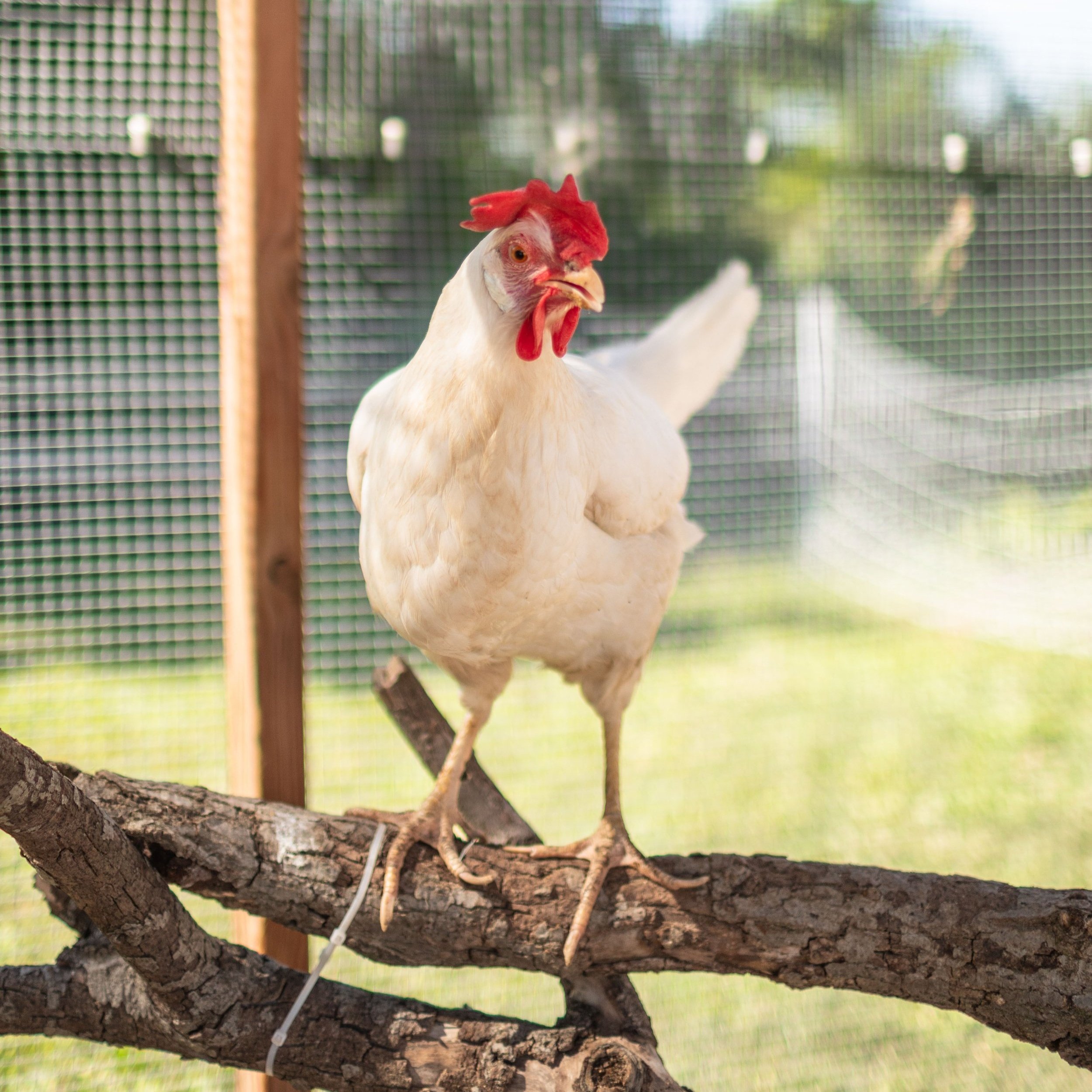
In your sponsorship you will receive naming rights, a dozen chicken eggs, and a visit experience with your chicken.
The name comes from Leghorn, the traditional anglicization of Livorno, the Tuscan port, from which the first birds were exported to North America. They are curious and docile, making them a great addition to backyard flocks. These chickens lay an average of 280 white eggs per year, sometimes reaching 300–320.
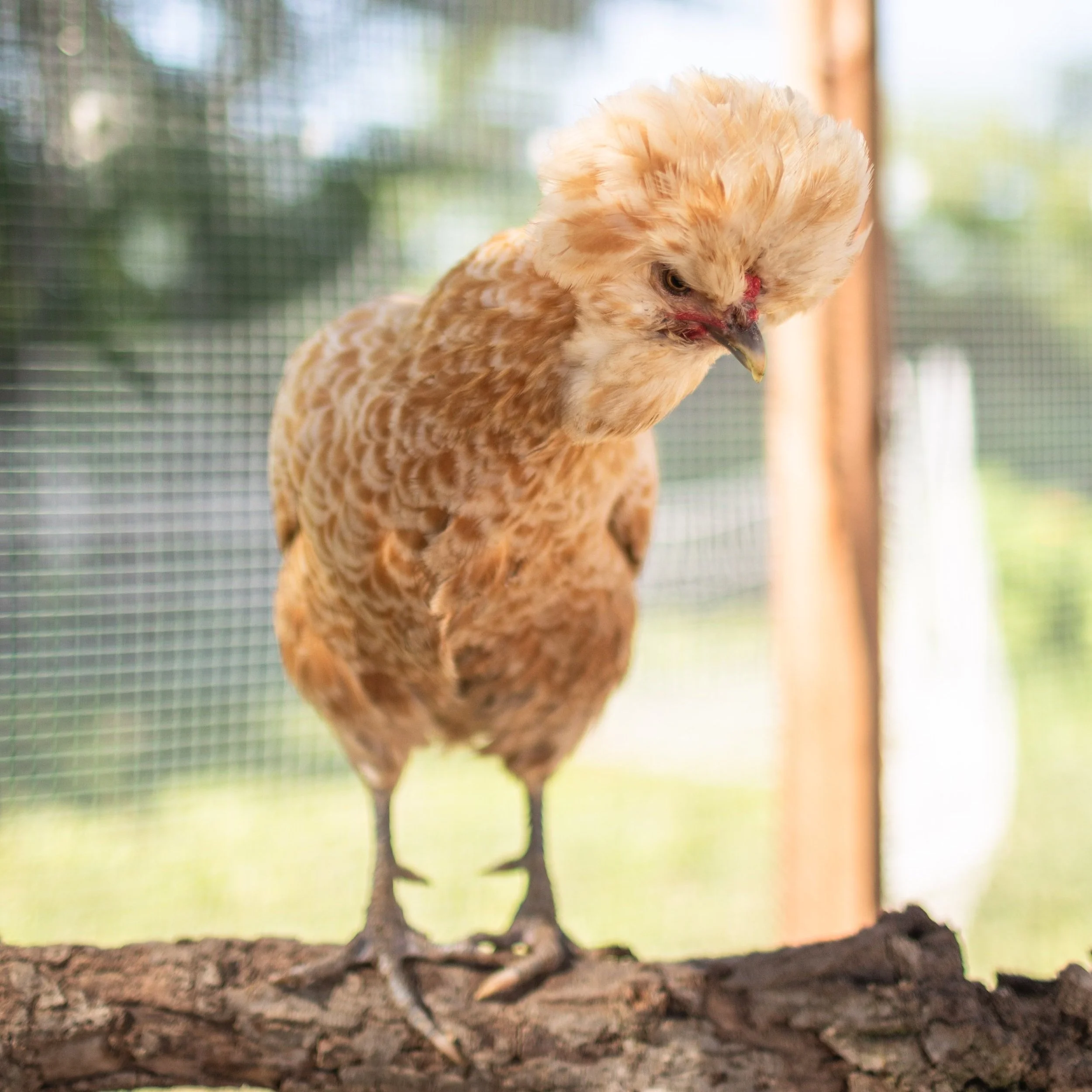
In your sponsorship you will receive naming rights, a half-dozen chicken eggs, and a visit experience with your chicken.
Two different breeds, two nearly identical chickens. Both the Polish Crested and Padovana are thought to have originated in Southern Europe, with depictions of the Polish Crested going back as far as the 1400’s. Polish Crested have small v-shaped combs, and small earlobes and wattles (which may be completely hidden by the crest). Padovana chickens have small earlobes and wattles, absent combs, and always have "beards" (feathers under chin). We think she’s a Padovana.
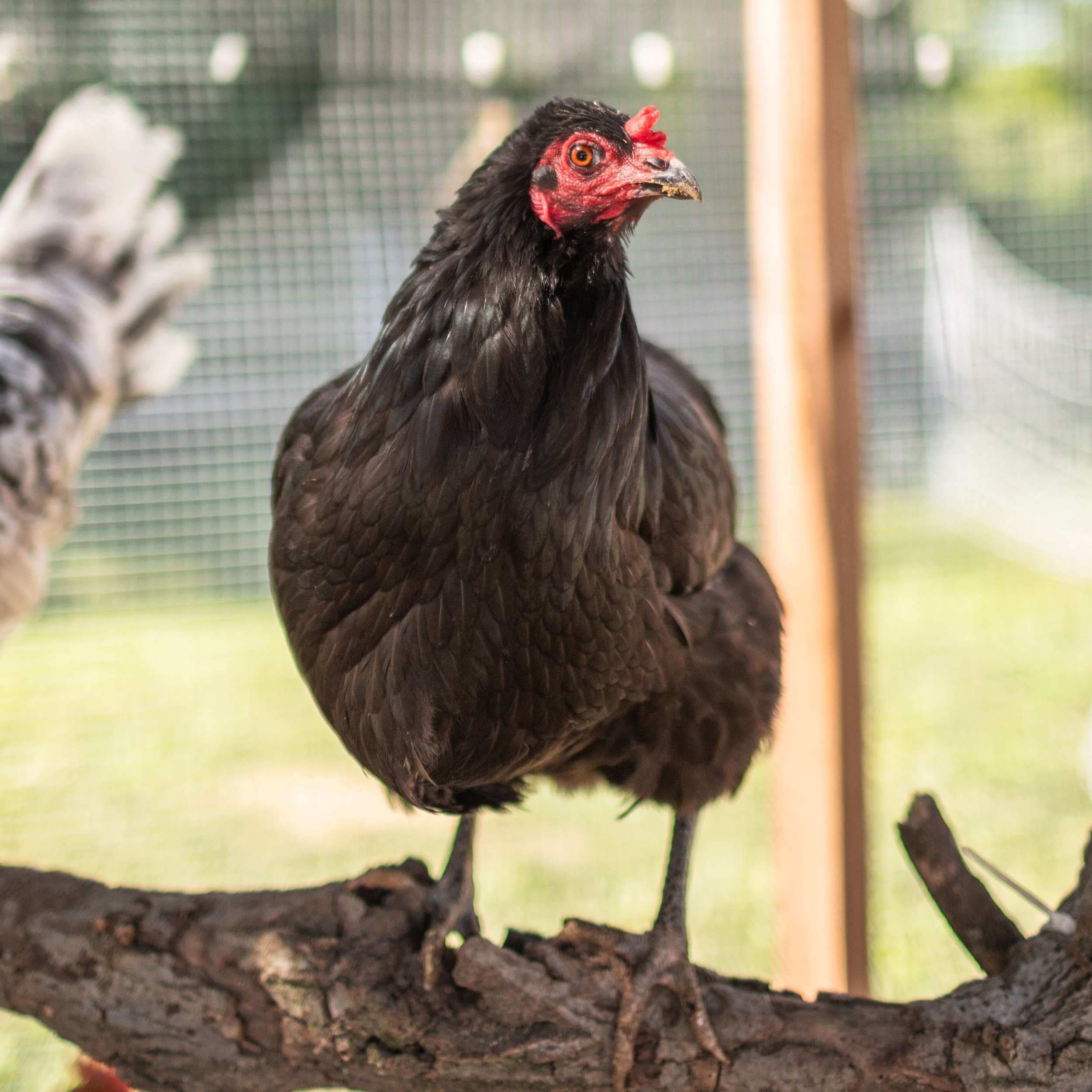
In your sponsorship you will receive naming rights, a dozen chicken eggs, and a visit experience with your chicken.
The Jersey Giant is a large bird that was developed in the 1870's in New Jersey to meet the demand for heavy fowl. Jersey Giants are the largest breed in the American Class and are dual-purpose fowl for meat and eggs. These chickens lay around 150-200 brown eggs per year.
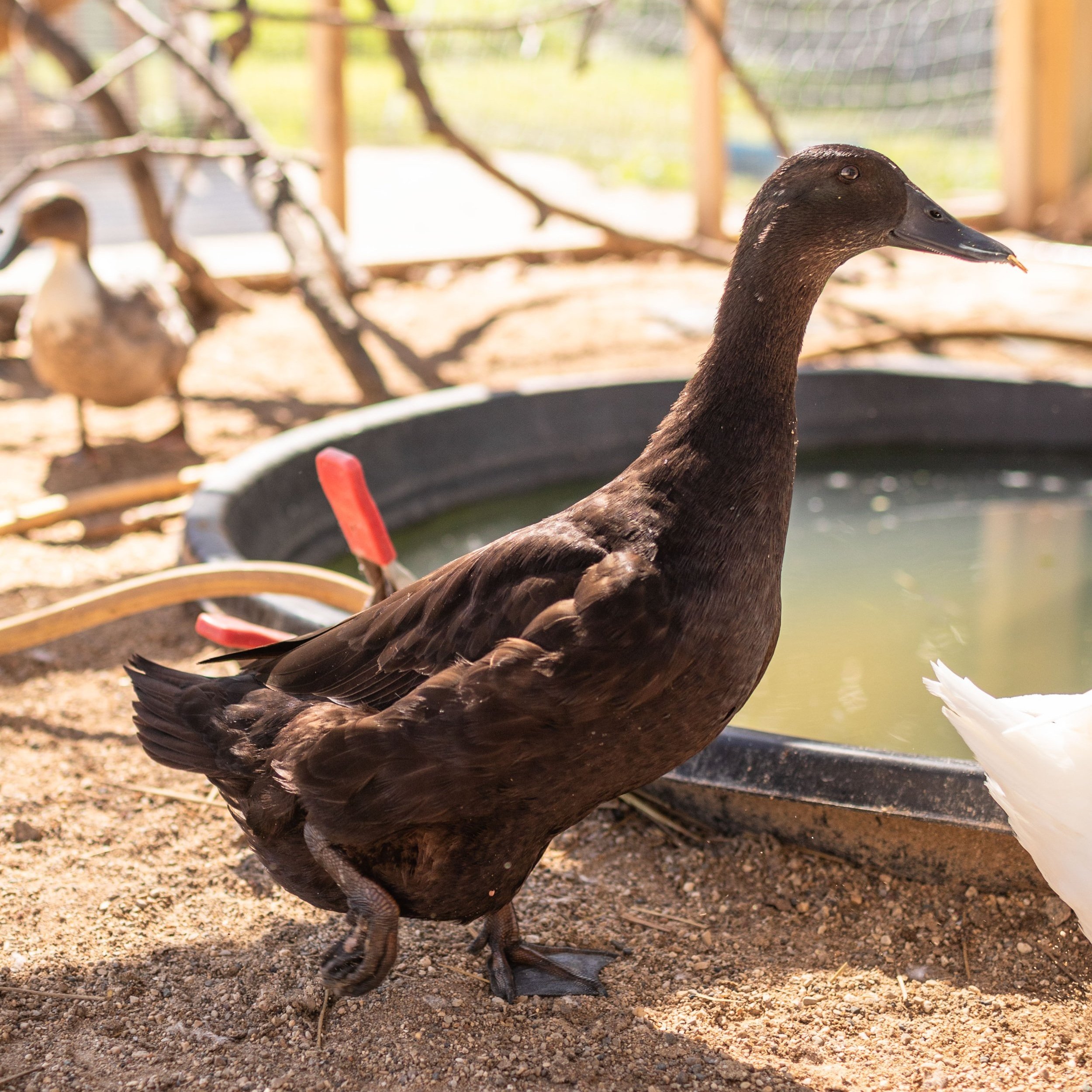
In your sponsorship you will receive naming rights, a half-dozen duck eggs, and a visit experience with your duck.
Cayuga ducks are truly black in color. Their plumage, bills, legs, and feet are dark brown-to-black, with bright green iridescence shining from their black feathers. These ducks aren’t the most prolific layers, only totaling 100–150 large eggs per year. However, they make up for this lack of production by laying unique eggs! At the beginning of the laying season, the eggs are dark and may be almost black. As the season progresses, the eggs gradually lighten to the usual pale greenish blue, potentially to almost white by the end of their laying season.
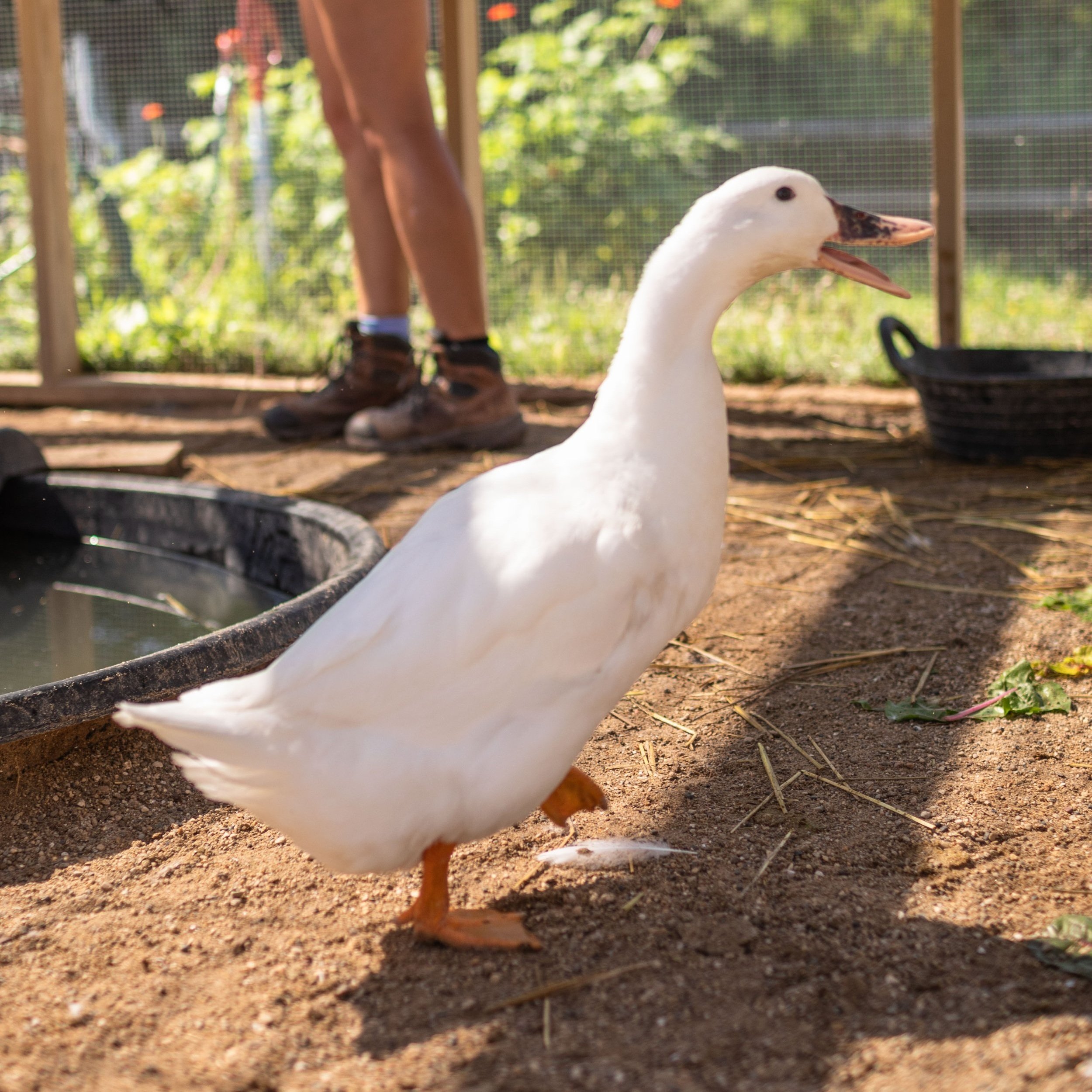
In your sponsorship you will receive naming rights, a half-dozen duck eggs, and a visit experience with your duck.
As their name suggests, this breed is prized for its high egg production. White layers have been known to lay 200-300 eggs per year and can be very good mothers. This breed has a calm and friendly demeanor, making them a popular choice for backyard flocks.
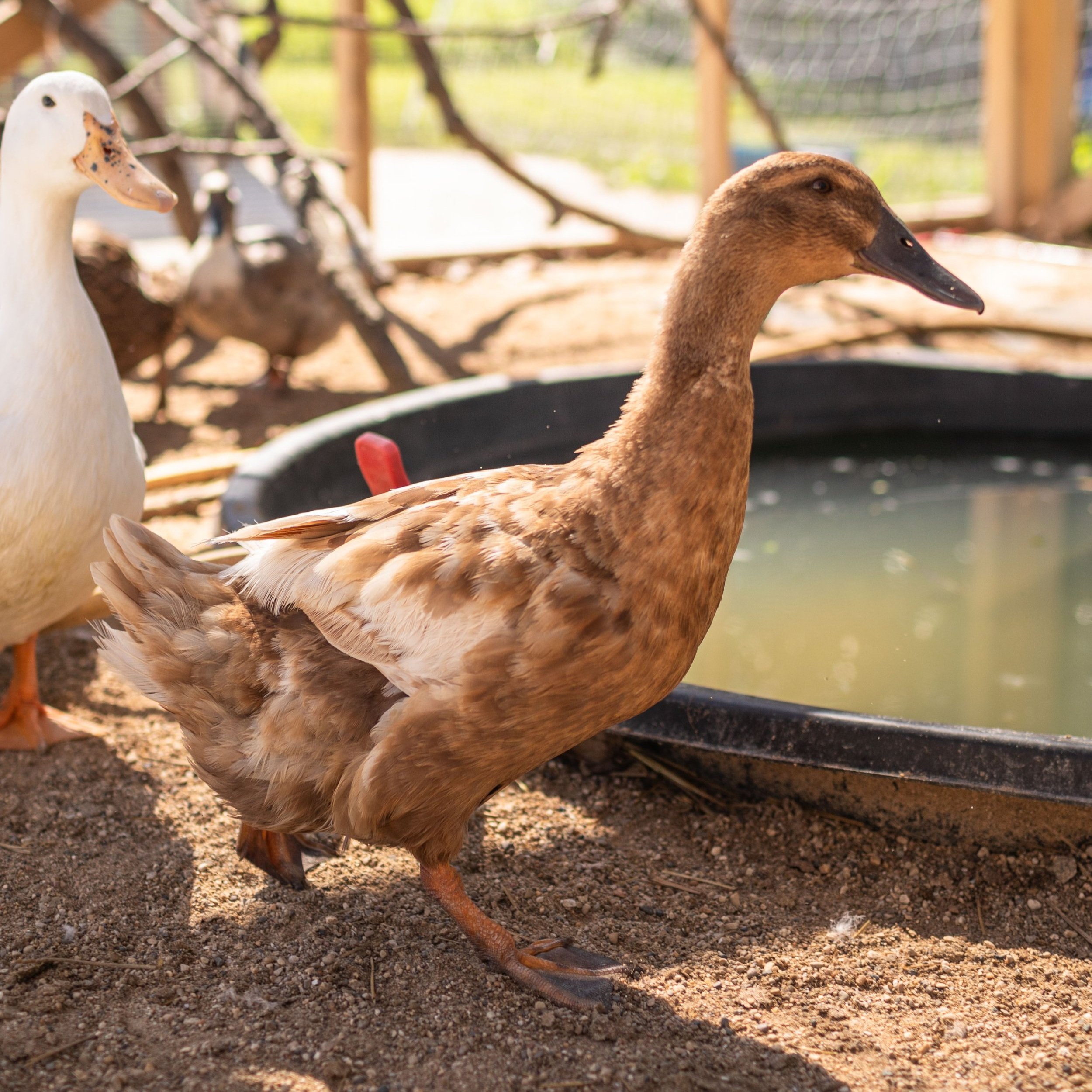
In your sponsorship you will receive naming rights, a half-dozen duck eggs, and a visit experience with your duck.
Khaki Campbell ducks are a hybrid breed originating in England, created by crossing the Indian Runner, Rouen, and wild Mallard. They are one of the more popular duck breeds for backyard flocks because of their superior egg production. This near daily laying occurs year-round and can total from 250-350 eggs per year.
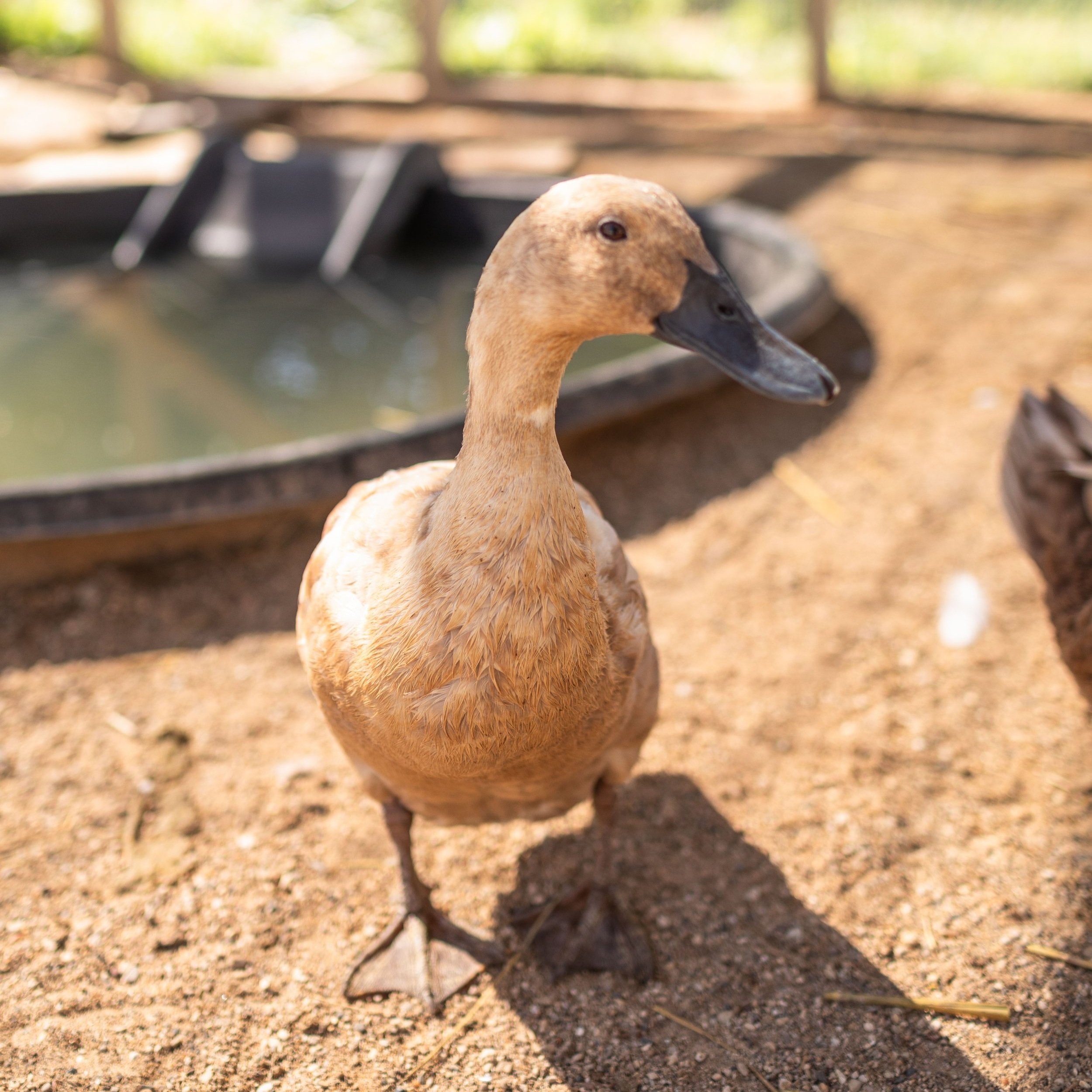
In your sponsorship you will receive naming rights, a half-dozen duck eggs, and a visit experience with your duck.
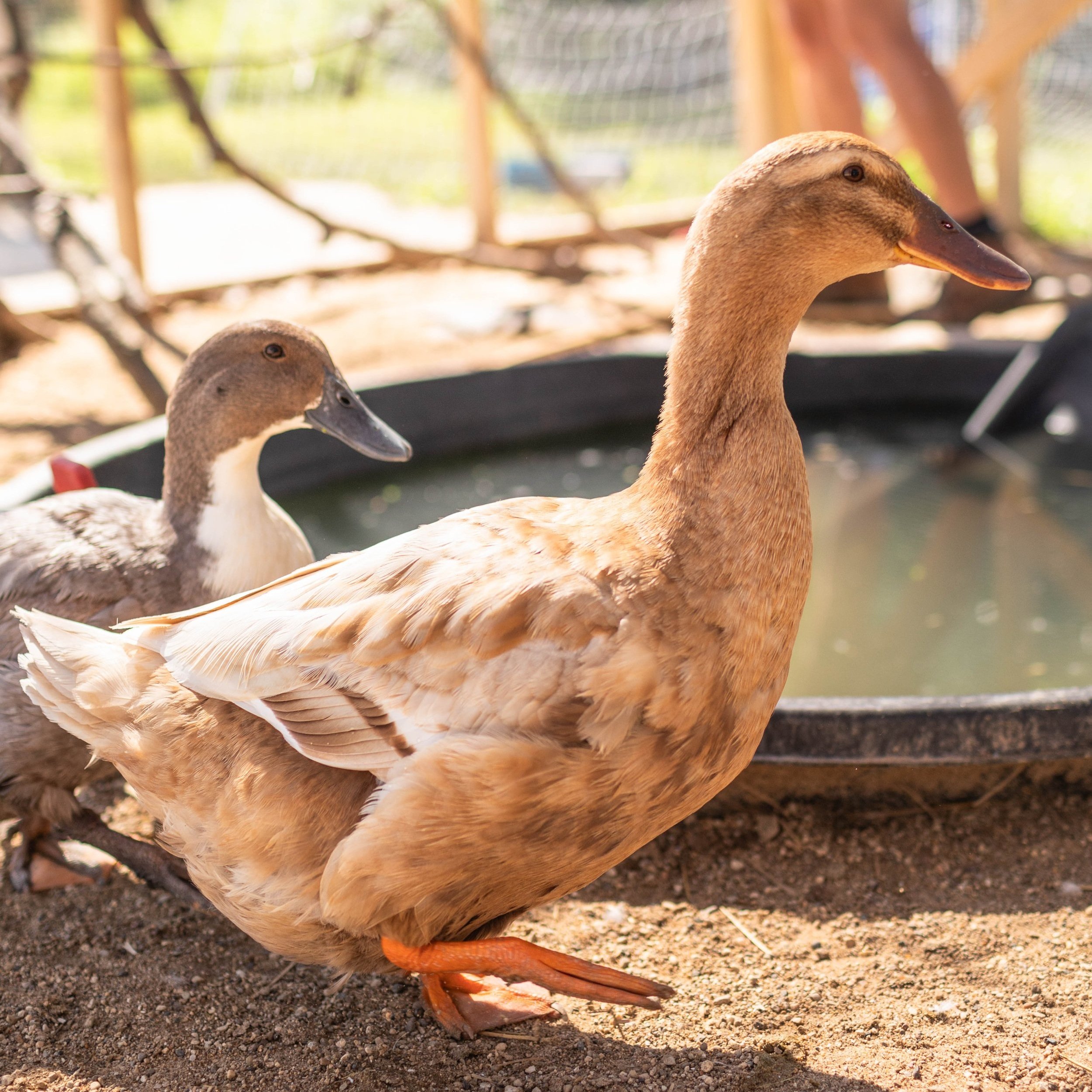
Originating in Orpington, Kent, this breed was developed to cash in on the 20th century fad of buff colored ducks. They’re a dual purpose breed, laying approximately 150-220 white eggs per year while being a meaty bird. Buff Orpington ducks are a friendly breed and make good pets. They don’t fly, but enjoy exploring leafy undergrowth looking for insects.

In your sponsorship you will receive naming rights, a half-dozen duck eggs, and a visit experience with your duck.
Swedish Blue ducks emerged as a breed in northern Europe during the nineteenth century. Their name comes from their beautiful blue-gray plumage, with the addition of a white bib across their chest. These birds are a medium build, with a shorter and broader body shape than Cayuga or Indian Runner. They lay about 100–150 white or tinted (blue or green) eggs per year and have become a popular ornamental and show breed.
In your sponsorship you will receive naming rights, a half-dozen duck eggs, and a visit experience with your duck.
The Rouen duck originated in France sometime before the 19th century. These ducks are nearly identical in color to Mallard drakes and hens, but are typically significantly larger than Mallard ducks. Hens are a shade of mahogany brown, with tan eye-stripes extending from bill to the back of the eyes, and a brown bill.
In your sponsorship you will receive naming rights, and a mason jar of Elawa Honey.
The Carniolan honey bee (Apis mellifera carnica) is a subspecies of western honey bee known for its gentle temperament, excellent foraging, and ability to thrive in colder climates, making it a popular choice for beekeepers. Native to the Alps and the Balkans, these dark, grey-brown bees are efficient honey producers that build up quickly in spring, conserve winter stores well, and are known for their strong orientation and disease resistance.
In your sponsorship you will receive naming rights, and a mason jar of Elawa Honey.
The Carniolan honey bee (Apis mellifera carnica) is a subspecies of western honey bee known for its gentle temperament, excellent foraging, and ability to thrive in colder climates, making it a popular choice for beekeepers. Native to the Alps and the Balkans, these dark, grey-brown bees are efficient honey producers that build up quickly in spring, conserve winter stores well, and are known for their strong orientation and disease resistance.
In your sponsorship you will receive naming rights, and a mason jar of Elawa Honey.
The Carniolan honey bee (Apis mellifera carnica) is a subspecies of western honey bee known for its gentle temperament, excellent foraging, and ability to thrive in colder climates, making it a popular choice for beekeepers. Native to the Alps and the Balkans, these dark, grey-brown bees are efficient honey producers that build up quickly in spring, conserve winter stores well, and are known for their strong orientation and disease resistance.
In your sponsorship you will receive naming rights, and a mason jar of Elawa Honey.
The Carniolan honey bee (Apis mellifera carnica) is a subspecies of western honey bee known for its gentle temperament, excellent foraging, and ability to thrive in colder climates, making it a popular choice for beekeepers. Native to the Alps and the Balkans, these dark, grey-brown bees are efficient honey producers that build up quickly in spring, conserve winter stores well, and are known for their strong orientation and disease resistance.